Column · @thenutraceuticalpettreatsmedia
Why Nutraceutical Pet Treats Are Changing How We Care for Our Dogs and Cats
A few years ago, my older dog started slowing down on our morning walks. At first I put it down to age, but when she hesitated before jumping onto the sofa, I started paying closer attention. The vet mentioned joint health and suggested I look into functional treats that go beyond basic nutrition. That was my first real encounter with nutraceutical pet treats, and honestly, it changed how I think about everyday pet care.
Pet supplements have been around for a while, but the form they come in matters more than most people realise. Trying to get a picky cat to swallow a pill, or hiding a capsule in a spoonful of wet food, is a losing battle in many households. Nutraceutical pet treats solve that problem by combining active ingredients with something the animal actually wants to eat. The result is a product category that sits somewhere between a snack and a supplement, and it has grown fast for good reason.
What Makes a Treat Nutraceutical?
The term nutraceutical blends nutrition and pharmaceutical. In practice, it means a treat that delivers a measurable health benefit beyond basic calories. These are not your standard biscuit or chew. They are formulated with specific compounds aimed at things like joint health, anxiety relief, allergy support, or digestive function. The delivery mechanism matters too. A treat that tastes good and smells appealing will get eaten willingly, which means the active ingredients actually make it into the animal's system.
Common ingredients in this space include glucosamine and chondroitin for joint support, omega-3 fatty acids for skin and coat health, probiotics for gut balance, and antioxidants for general immune function. Some products also incorporate turmeric for its anti-inflammatory properties, or green-lipped mussel powder, which is rich in a unique form of omega-3 that has shown promise for joint mobility in dogs. Hemp seed oil and CBD are also appearing more frequently in formulations aimed at anxiety relief or general calmness, particularly in pets that struggle with loud noises or separation.
Joint Health and Mobility Support
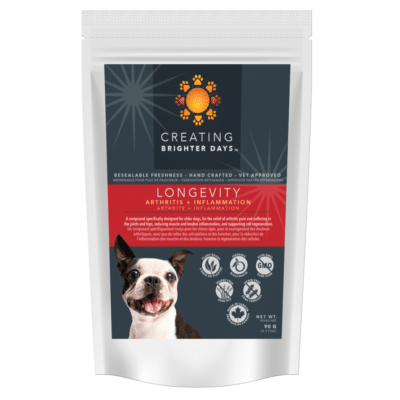
Joint issues are one of the most common reasons pet owners seek out nutraceutical pet treats. Large breed dogs, active working dogs, and even cats with arthritis can benefit from targeted ingredients. Glucosamine and chondroitin are the classic duo here. They help support cartilage health and can slow the progression of degenerative changes. I have seen noticeable improvement in a friend's Labrador who had hip dysplasia. After a few weeks on a daily treat containing those two compounds plus green-lipped mussel, she moved more freely and stopped favouring one leg.
Salmon oil is another ingredient that pairs well with joint formulas. It provides omega-3 fatty acids that help manage inflammation, and most pets love the taste. Some owners also add a hemp seed oil treat for the same reason. The oil itself is rich in gamma-linolenic acid, which supports skin health and may have a mild anti-inflammatory effect. When combined with glucosamine and chondroitin, the result is a more comprehensive approach than any single ingredient can offer on its own.
Anxiety and Behavioural Support
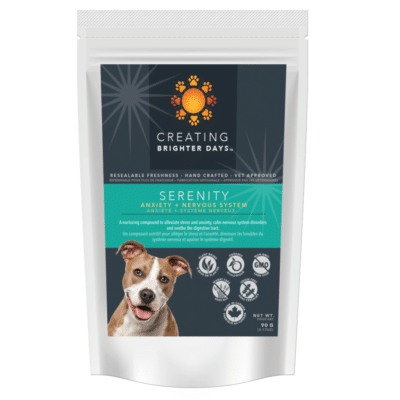
Anxiety relief is a growing area in veterinary nutrition, and nutraceutical pet treats have become a popular delivery method for calming ingredients. CBD is perhaps the most talked-about compound in this space, but it is not the only option. Some treats use L-tryptophan, chamomile, or valerian root to promote relaxation. The advantage of a treat over a liquid or tablet is that it can be given pre-emptively, before a stressful event like a vet visit or a storm, without a fight.
One thing I have learned from talking to breeders and trainers is that consistency matters more than the specific ingredient. A treat that contains a meaningful dose of a calming compound, given regularly during a predictable stressor, tends to produce better results than an occasional high-dose attempt. That is where the format of a daily functional treat shines. It normalises the experience and keeps the active compounds at a steady level in the animal's system.
Digestive Health and Probiotics
Probiotics have become standard in many nutraceutical pet treats, and for good reason. Gut health influences everything from nutrient absorption to immune function and even behaviour. Dogs and cats with sensitive stomachs, or those on antibiotics, often benefit from a daily probiotic source. The challenge is keeping the bacteria alive until consumption. Quality manufacturers use stabilised strains or spore-forming bacteria that survive shelf storage. I always check the colony-forming unit count and the specific strain names on the label. Not all probiotics are equal, and a treat with a vague claim of containing probiotics is not the same as one with a documented strain.
Prebiotics, such as chicory root or inulin, are also common in these formulas. They feed the good bacteria already present in the gut and help maintain a healthy balance. When combined with omega-3 fatty acids from salmon oil, the effect on coat quality and stool consistency can be noticeable within a couple of weeks. Some owners also report less gas and firmer stools, which is a practical benefit that makes daily cleanup easier.
Dental Chews as Functional Treats
Dental chews are a specific subcategory of nutraceutical pet treats, and they deserve a separate mention. Oral health in pets is often neglected until a problem appears, and by then, treatment can be expensive and stressful for the animal. A good dental chew does more than freshen breath. It uses texture and enzymes to mechanically scrape plaque while delivering ingredients like chlorhexidine or enzymes that break down bacteria. Some also include antioxidants and vitamin E to support gum tissue.
Not all dental chews are created equal. The shape, density, and digestibility all matter. A chew that is too hard can damage teeth, while one that dissolves too quickly does not provide enough mechanical action. The best options are those that have been tested for safety and efficacy, and that use organic ingredients where possible. I look for products that list their active enzymes by name, such as glucose oxidase or lactoperoxidase, rather than vague terms like natural enzymes.
Ingredients and Sourcing
Organic ingredients are becoming more common in nutraceutical pet treats, and that shift reflects a broader demand for transparency in the pet food industry. Pet owners want to know where the glucosamine comes from, whether the salmon oil is wild-caught or farmed, and if the turmeric contains curcuminoids at a meaningful level. The same scrutiny that applies to human supplements is now being applied to pet supplements, and that is a positive development.
Hemp seed oil, for example, is often sourced from organic hemp plants, and the quality of the oil affects its fatty acid profile. Similarly, green-lipped mussel powder is typically sourced from New Zealand, where the mussels are farmed in clean waters. The origin matters because contaminants like heavy metals can accumulate in shellfish, and a reputable manufacturer will test for those. I have seen some products that list green-lipped mussel on the label but do not specify the source or the extraction method, and I tend to avoid those.
Veterinary Nutrition and the Bigger Picture
Veterinary nutrition is a specialised field, and not all nutraceutical pet treats are formulated with the same level of expertise. Some are developed by companies that also make human supplements, while others are created by pet food companies that have added a supplement line. The best products, in my experience, are those that involve a veterinary nutritionist or a PhD in animal science during formulation. They consider factors like bioavailability, dosage per kilogram of body weight, and potential interactions with other medications.
It is also worth noting that treats are not a substitute for a balanced diet. They are a supplement, not a replacement. A dog or cat that eats a poor-quality base diet will not be fixed by a nutraceutical treat alone. But when used alongside a good diet and regular veterinary care, these treats can fill specific gaps. For example, a dog with early signs of joint stiffness may benefit from glucosamine and chondroitin long before a diagnosis of arthritis is made. That kind of preventive approach is where the real value lies.

Final Thoughts on Choosing the Right Treat
If you are new to nutraceutical pet treats, start with a single health goal. Joint mobility, anxiety relief, or digestive support are all reasonable entry points. Look at the ingredient list and the dosage per treat. A treat that contains a tiny amount of turmeric or probiotics may not deliver enough of the active compound to make a difference. The label should tell you how much of each key ingredient is in a single serving, and ideally, that amount should be backed by published research or veterinary guidance.
Stores like kushstation.co offer a curated selection of pet health products, including nutraceutical pet treats, and they tend to carry brands that are transparent about their sourcing and formulation. That is a good sign. In a market that is growing quickly, transparency is one of the most reliable signals of quality. The treat itself may look like an ordinary biscuit, but the difference is in the details. The right treat, given consistently, can improve your pet's quality of life in ways that are easy to miss until you see them.